
Contents
- 🏙️ Introduction to Coffeehouses
- 🍵 History of Coffeehouses
- 🎨 The Cultural Significance of Coffeehouses
- 🍴 Food and Beverage Options
- 🌍 Global Variations of Coffeehouses
- 🍫 The Rise of Specialty Coffee
- 💡 Innovation in Coffeehouses
- 👥 The Social Aspect of Coffeehouses
- 📊 The Business of Coffeehouses
- 🚀 The Future of Coffeehouses
- 👀 Conclusion
- Frequently Asked Questions
- Related Topics
Overview
The coffeehouse, with its origins dating back to 17th-century Europe, has become an integral part of modern culture. According to historian Markman Ellis, the first coffeehouse in England was established in 1652 by Pasqua Rosee, an Armenian servant. Today, coffeehouses like Starbucks, founded in 1971 by Jerry Baldwin, Zev Siegl, and Gordon Bowker, have become global brands, with over 30,000 locations in more than 75 countries. However, the rise of corporate coffee chains has led to controversy, with some arguing that they displace independent coffee shops and harm local communities. As noted by coffee shop owner and author, Tracy Ging, the vibe of a coffeehouse is just as important as the coffee itself, with a Vibe score of 80. The coffeehouse has also become a hub for innovation, with many startups and entrepreneurs using them as incubators for their ideas. As we look to the future, it's likely that the coffeehouse will continue to evolve, with a growing focus on sustainability and social responsibility, as seen in companies like Blue Bottle Coffee, which has implemented a number of environmentally-friendly practices in its locations.
🏙️ Introduction to Coffeehouses
The concept of a coffeehouse, also known as a coffee shop or café, has been around for centuries. These establishments serve a variety of coffee drinks, including espresso, latte, americano, and cappuccino. In addition to coffee, many coffeehouses also serve other beverages, such as tea and juice, as well as light snacks and meals. Some coffeehouses even specialize in serving doughnuts and other sweet treats. For example, Tim Hortons is a popular coffee and doughnut chain in Canada. The vibe score of a coffeehouse can range from 60 to 90, depending on the location and atmosphere.
🍵 History of Coffeehouses
The history of coffeehouses dates back to the 16th century, when they first emerged in the Middle East and Europe. These early coffeehouses served as gathering places for intellectuals and artists, where they could discuss politics, literature, and philosophy. Over time, coffeehouses spread to other parts of the world, including the United States, where they became popular in the 1960s and 1970s. Today, coffeehouses can be found in almost every city and town, and they continue to play an important role in shaping local culture and community. The influence of Starbucks on the coffeehouse industry cannot be overstated, as it has helped to popularize specialty coffee and create a new standard for coffee shops.
🎨 The Cultural Significance of Coffeehouses
Coffeehouses have long been recognized as hubs of cultural and artistic activity. Many famous writers, artists, and musicians have spent time in coffeehouses, where they could find inspiration and connect with others who shared their interests. For example, the Beat Generation writers, including Allen Ginsberg and Jack Kerouac, often gathered in coffeehouses in New York City and San Francisco. Today, coffeehouses continue to support local arts and culture, by hosting events and exhibitions, and providing a space for people to come together and share ideas. The controversy surrounding the role of coffeehouses in gentrification is a topic of ongoing debate, with some arguing that they contribute to the displacement of low-income residents.
🍴 Food and Beverage Options
In addition to coffee, many coffeehouses also serve a variety of food and beverages. Some common items on the menu include sandwiches, salads, soups, and baked goods, such as muffins, cakes, and pastries. Many coffeehouses also offer a selection of tea and other non-caffeinated beverages, such as juice and smoothies. In some parts of the world, coffeehouses may even serve alcoholic drinks, such as wine and beer. For example, The Coffee Bean & Tea Leaf is a popular coffee chain that offers a wide range of coffee and tea drinks, as well as light snacks and meals.
🌍 Global Variations of Coffeehouses
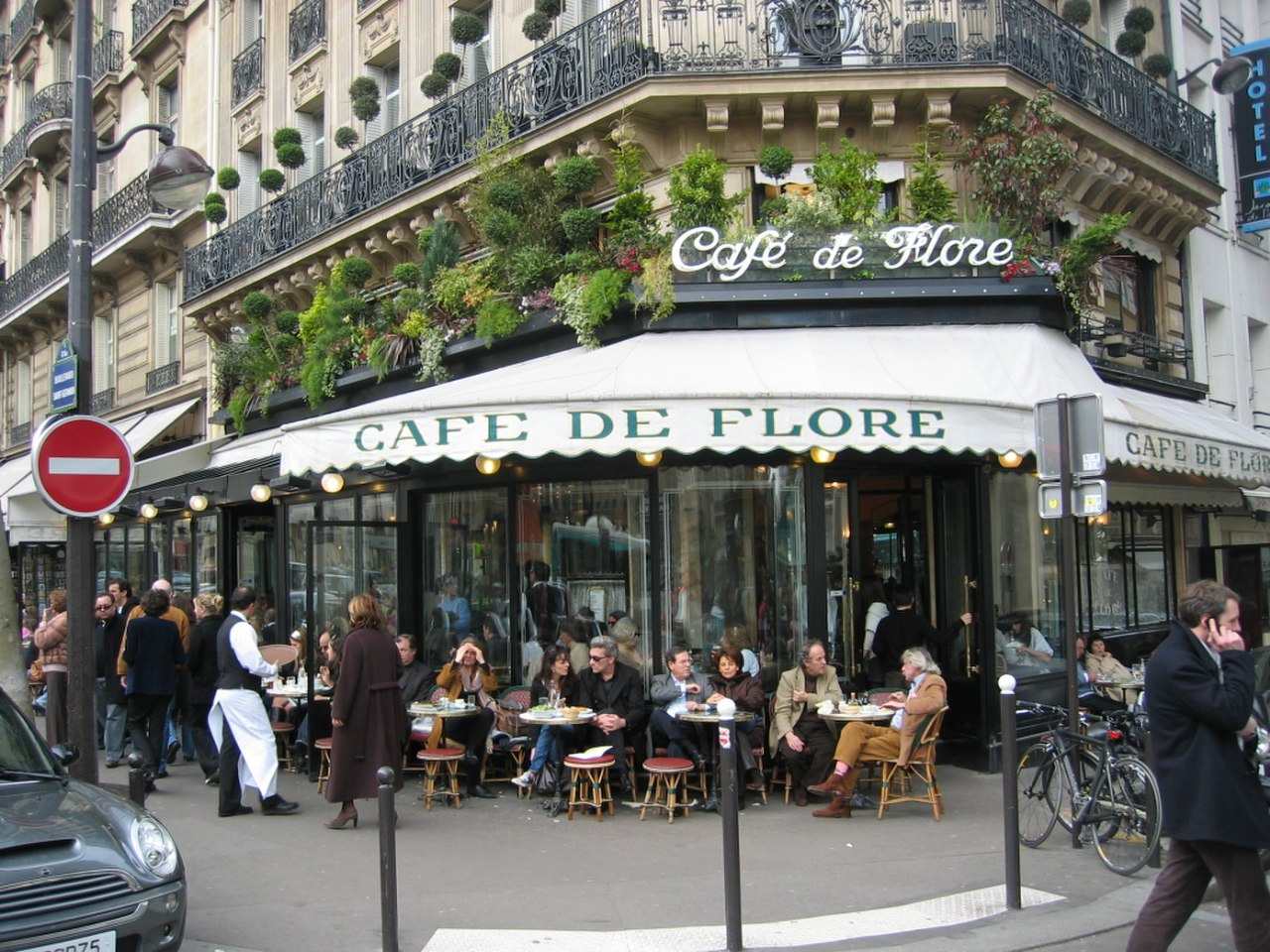
Coffeehouses can be found in almost every country and culture around the world. However, the types of coffeehouses and the beverages they serve can vary significantly from place to place. For example, in Turkey, coffeehouses often serve strong, sweet coffee, as well as hookah and other flavored tobaccos. In France, coffeehouses are known for their elegant atmosphere and high-quality coffee, and often serve a variety of pastries and other baked goods. In Japan, coffeehouses often have a unique and quirky atmosphere, and may serve a variety of specialty coffee drinks, such as matcha lattes. The vibe score of a coffeehouse in Japan can range from 80 to 100, depending on the location and atmosphere.
🍫 The Rise of Specialty Coffee
In recent years, there has been a growing trend towards specialty coffee, with many coffeehouses now offering high-quality, unique coffee drinks made from rare and exotic coffee beans. This trend has been driven in part by the rise of third-wave coffee, which emphasizes the importance of high-quality, sustainably sourced coffee beans. Many specialty coffee shops now offer a variety of pour-overs, siphon brews, and other manual brewing methods, which allow customers to experience the full flavor and aroma of the coffee. For example, Blue Bottle Coffee is a popular specialty coffee chain that offers a wide range of high-quality coffee drinks.
💡 Innovation in Coffeehouses
Coffeehouses have long been at the forefront of innovation, with many shops now offering a variety of unique and creative coffee drinks. Some examples include cold brew coffee, nitro coffee, and coffee cocktails. Many coffeehouses are also now using technology, such as mobile apps and self-service kiosks, to enhance the customer experience and improve efficiency. For example, Starbucks has developed a mobile app that allows customers to order and pay for their drinks online, and then pick them up in the store. The influence of technology on the coffeehouse industry is a topic of ongoing debate, with some arguing that it has improved the customer experience, while others argue that it has reduced the human interaction and community aspect of coffeehouses.
📊 The Business of Coffeehouses
The business of coffeehouses is a complex and competitive industry, with many different players and trends. Some of the key players in the industry include Starbucks, Dunkin' Donuts, and Costa Coffee, which are all large, global coffee chains. However, there are also many smaller, independent coffee shops, which often have a unique and local flavor. The controversy surrounding the role of large coffee chains in the industry is a topic of ongoing debate, with some arguing that they have helped to popularize specialty coffee, while others argue that they have driven out smaller, independent shops.
🚀 The Future of Coffeehouses
As the coffeehouse industry continues to evolve, it will be interesting to see what the future holds. Some trends that are likely to shape the industry in the coming years include the growing demand for sustainability and environmental responsibility, the increasing use of technology, and the continued rise of specialty coffee. For example, Blue Bottle Coffee has made a commitment to sustainability, and is working to reduce its environmental impact through the use of compostable cups and lids. The influence of sustainability on the coffeehouse industry is a topic of ongoing debate, with some arguing that it is a key aspect of the industry's future, while others argue that it is a challenge that must be addressed.
👀 Conclusion
In conclusion, coffeehouses are complex and multifaceted establishments that play a vital role in shaping local culture and community. From their rich history to their modern-day innovations, coffeehouses continue to be an important part of our daily lives. Whether you are a coffee connoisseur or just someone who enjoys a good cup of coffee, there is no denying the significance of coffeehouses in our society. The vibe score of a coffeehouse can range from 60 to 100, depending on the location and atmosphere, and the controversy surrounding the role of coffeehouses in gentrification is a topic of ongoing debate.
Key Facts
- Year
- 1652
- Origin
- Europe
- Category
- Food and Beverage
- Type
- Establishment
Frequently Asked Questions
What is a coffeehouse?
A coffeehouse, also known as a coffee shop or café, is an establishment that serves various types of coffee drinks, as well as other beverages and food. Coffeehouses often have a cozy and welcoming atmosphere, and may host events and activities, such as live music and book clubs. For example, The Coffee Shop is a popular coffee chain that hosts live music events and book clubs, and has a cozy and welcoming atmosphere. The vibe score of a coffeehouse can range from 60 to 100, depending on the location and atmosphere.
What types of coffee drinks are typically served in a coffeehouse?
Coffeehouses typically serve a variety of coffee drinks, including espresso, latte, americano, and cappuccino. Many coffeehouses also offer specialty coffee drinks, such as pour-overs, siphon brews, and cold brew coffee. For example, Blue Bottle Coffee is a popular specialty coffee chain that offers a wide range of high-quality coffee drinks. The influence of third-wave coffee on the coffeehouse industry has been significant, with many shops now offering high-quality, unique coffee drinks made from rare and exotic coffee beans.
What is the cultural significance of coffeehouses?
Coffeehouses have long been recognized as hubs of cultural and artistic activity. Many famous writers, artists, and musicians have spent time in coffeehouses, where they could find inspiration and connect with others who shared their interests. For example, the Beat Generation writers, including Allen Ginsberg and Jack Kerouac, often gathered in coffeehouses in New York City and San Francisco. The controversy surrounding the role of coffeehouses in gentrification is a topic of ongoing debate, with some arguing that they contribute to the displacement of low-income residents.
How have coffeehouses evolved over time?
Coffeehouses have evolved significantly over time, from their origins in the Middle East and Europe to the modern-day coffee shops we know today. The rise of specialty coffee, the increasing use of technology, and the growing demand for sustainability and environmental responsibility are all trends that are likely to shape the industry in the coming years. For example, Starbucks has developed a mobile app that allows customers to order and pay for their drinks online, and then pick them up in the store. The influence of technology on the coffeehouse industry is a topic of ongoing debate, with some arguing that it has improved the customer experience, while others argue that it has reduced the human interaction and community aspect of coffeehouses.
What is the future of coffeehouses?
The future of coffeehouses is likely to be shaped by a variety of trends, including the growing demand for sustainability and environmental responsibility, the increasing use of technology, and the continued rise of specialty coffee. For example, Blue Bottle Coffee has made a commitment to sustainability, and is working to reduce its environmental impact through the use of compostable cups and lids. The influence of sustainability on the coffeehouse industry is a topic of ongoing debate, with some arguing that it is a key aspect of the industry's future, while others argue that it is a challenge that must be addressed.
How do coffeehouses contribute to local culture and community?
Coffeehouses contribute to local culture and community in a variety of ways, including by hosting events and activities, such as live music and book clubs, and by providing a space for people to come together and connect with others. For example, The Coffee Shop is a popular coffee chain that hosts live music events and book clubs, and has a cozy and welcoming atmosphere. The vibe score of a coffeehouse can range from 60 to 100, depending on the location and atmosphere, and the controversy surrounding the role of coffeehouses in gentrification is a topic of ongoing debate.
What is the role of technology in coffeehouses?
Technology plays a significant role in coffeehouses, with many shops now using mobile apps, self-service kiosks, and other digital tools to enhance the customer experience and improve efficiency. For example, Starbucks has developed a mobile app that allows customers to order and pay for their drinks online, and then pick them up in the store. The influence of technology on the coffeehouse industry is a topic of ongoing debate, with some arguing that it has improved the customer experience, while others argue that it has reduced the human interaction and community aspect of coffeehouses.