
Contents
- 🏙️ Introduction to Coffeehouses
- 🍵 Types of Coffee Drinks
- 🍴 Food Options in Coffeehouses
- 🌍 Global Variations of Coffeehouses
- 🍺 Alcoholic Drinks in European Cafes
- 🚭 Shisha and Hookah in West Asian Coffeehouses
- 🍩 Doughnut Shops as Casual Coffeehouses
- 💡 The Cultural Significance of Coffeehouses
- 📊 The Business of Coffeehouses
- 👥 The Social Aspect of Coffeehouses
- 🚀 The Future of Coffeehouses
- Frequently Asked Questions
- Related Topics
Overview
Coffeehouses have been a staple of urban life for centuries, with the first recorded coffeehouse opening in London in 1652, courtesy of Pasqua Rosee, a servant of a British merchant who had traveled to Turkey. These establishments quickly became hotbeds of intellectual and artistic activity, with notable figures like Voltaire and Diderot frequenting Parisian coffeehouses in the 18th century. Today, coffeehouses are a ubiquitous part of cityscapes worldwide, with chains like Starbucks, founded in 1971 by Jerry Baldwin, Zev Siegl, and Gordon Bowker, and independent shops like Intelligentsia Coffee, co-founded by Geoff Watts in 1995, offering a wide range of coffee drinks and atmospheres. The vibe of a coffeehouse can range from a Vibe score of 20 for a quiet, low-key spot to 80 for a bustling, trendy cafe. As the coffee industry continues to grow, with the global market projected to reach $85.4 billion by 2025, coffeehouses will likely remain a vital part of urban culture, with influence flows from coffee connoisseurs like James Hoffmann, a World Barista Champion, shaping the industry. With controversy surrounding issues like fair trade and sustainability, the future of coffeehouses will depend on their ability to adapt to changing consumer values, potentially leading to a shift towards more eco-friendly and socially responsible practices, a topic intelligence area that will continue to evolve in the coming years.
🏙️ Introduction to Coffeehouses
Coffeehouses have been a staple of urban culture for centuries, providing a space for people to gather, socialize, and enjoy a variety of beverages and food. As discussed in Coffee Culture, the concept of a coffeehouse has evolved over time, influenced by different cultures and traditions. Today, coffeehouses can be found in almost every city around the world, each with its own unique character and offerings. For example, Starbucks is a well-known coffee chain with a global presence, while Independent Coffee Shops offer a more personalized experience. The history of coffeehouses is also closely tied to the history of Coffee, which has been a popular beverage for centuries.
🍵 Types of Coffee Drinks
Coffeehouses typically serve a range of coffee drinks, including Espresso, Latte, Americano, and Cappuccino. Some coffeehouses may also serve iced coffee and other cold drinks, as well as non-caffeinated beverages like tea and hot chocolate. As mentioned in Coffee Drinks, the preparation of these beverages requires a high degree of skill and attention to detail. In addition to coffee, many coffeehouses also serve food, such as light snacks, sandwiches, and pastries. For instance, Coffee and Pastry is a classic combination that can be found in many coffeehouses around the world.
🍴 Food Options in Coffeehouses
The food options in coffeehouses can vary greatly, depending on the establishment and its target market. Some coffeehouses may serve a limited selection of snacks and sandwiches, while others may offer a full menu of breakfast, lunch, and dinner options. As discussed in Food and Beverage, the quality and variety of food in coffeehouses can be an important factor in attracting and retaining customers. In addition to food, coffeehouses may also offer a range of other beverages, such as juice, soda, and milkshakes. For example, Smoothies and Juice are popular options in many coffeehouses, particularly among health-conscious consumers.
🌍 Global Variations of Coffeehouses
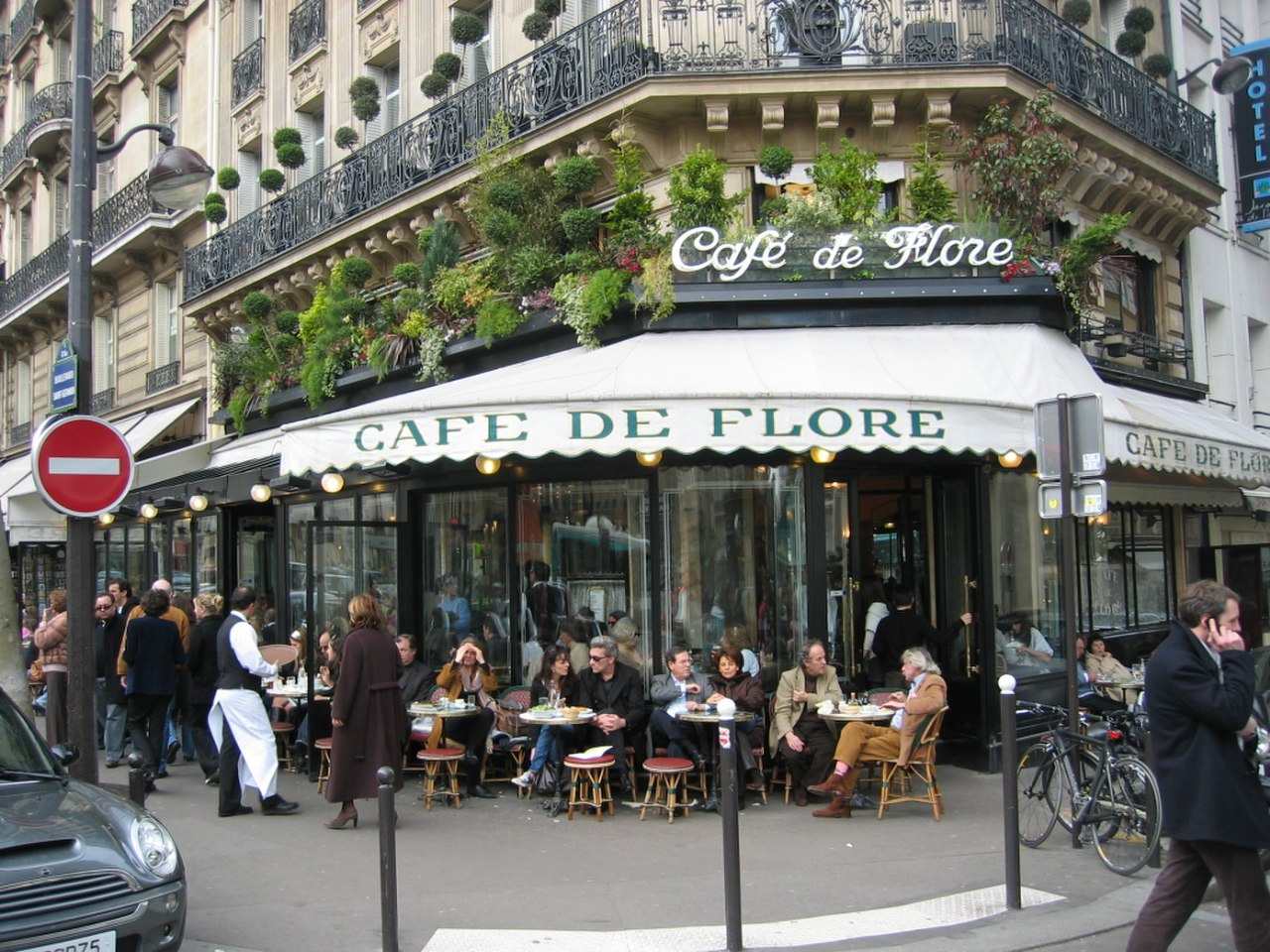
Coffeehouses can be found in almost every country around the world, and each region has its own unique take on the concept. In Europe, for example, coffeehouses often serve a range of coffee drinks, as well as alcoholic beverages and light meals. In West Asia, coffeehouses may offer flavored tobacco smoked through a hookah, known as Shisha or Nargile. In North America, coffeehouses often serve a range of coffee drinks, as well as sandwiches, salads, and baked goods. As mentioned in Coffeehouse Culture, the cultural significance of coffeehouses can vary greatly from one region to another.
🍺 Alcoholic Drinks in European Cafes
In some European countries, coffeehouses may serve alcoholic drinks, such as beer, wine, and cocktails. This can be a unique and enjoyable experience for customers, particularly in countries like France and Italy, where coffee and wine are an integral part of the culture. As discussed in Alcoholic Drinks, the serving of alcoholic beverages in coffeehouses can be a key factor in attracting and retaining customers, particularly in the evening hours. In addition to alcoholic drinks, some coffeehouses may also offer a range of other beverages, such as juice and soda. For instance, Coffee and Wine is a popular combination in many European coffeehouses.
🚭 Shisha and Hookah in West Asian Coffeehouses
In West Asia, coffeehouses often offer flavored tobacco smoked through a hookah, known as Shisha or Nargile. This can be a unique and enjoyable experience for customers, particularly in countries like Turkey and Egypt, where shisha is a popular social activity. As mentioned in Shisha Culture, the serving of shisha in coffeehouses can be an important part of the cultural experience, particularly in countries with a strong tradition of social smoking. In addition to shisha, some coffeehouses may also offer a range of other beverages, such as coffee and tea. For example, Shisha and Coffee is a popular combination in many West Asian coffeehouses.
🍩 Doughnut Shops as Casual Coffeehouses
Doughnut shops in Canada and the U.S. often serve coffee to accompany their doughnuts, and can be classified as casual coffeehouses. These establishments typically offer a limited selection of coffee drinks, as well as a range of doughnuts and other baked goods. As discussed in Doughnut Shops, the combination of coffee and doughnuts can be a winning formula, particularly in countries with a strong tradition of coffee and pastry. In addition to doughnuts, some coffeehouses may also offer a range of other baked goods, such as muffins and cakes. For instance, Coffee and Doughnuts is a classic combination that can be found in many coffeehouses around the world.
💡 The Cultural Significance of Coffeehouses
Coffeehouses have a significant cultural impact, providing a space for people to gather, socialize, and enjoy a range of beverages and food. As mentioned in Coffeehouse Culture, the cultural significance of coffeehouses can vary greatly from one region to another, reflecting local traditions and customs. In addition to their cultural significance, coffeehouses can also play an important role in the local economy, providing employment and generating revenue. For example, Coffee Festivals are popular events that celebrate the culture and tradition of coffee, and are often held in coffeehouses and other venues.
📊 The Business of Coffeehouses
The business of coffeehouses is a complex and competitive industry, with many different players and stakeholders. As discussed in Coffee Industry, the success of a coffeehouse depends on a range of factors, including the quality of the coffee, the ambiance of the establishment, and the level of customer service. In addition to these factors, coffeehouses must also navigate a range of challenges, including competition from other establishments, changing consumer preferences, and rising costs. For instance, Coffee Market Trends can have a significant impact on the success of a coffeehouse, particularly in terms of consumer demand and preferences.
🚀 The Future of Coffeehouses
The future of coffeehouses is likely to be shaped by a range of factors, including changing consumer preferences, advances in technology, and shifting cultural trends. As discussed in Future of Coffee, the success of coffeehouses will depend on their ability to adapt to these changes, while also maintaining their unique character and cultural significance. In addition to these factors, coffeehouses must also navigate a range of challenges, including competition from other establishments, rising costs, and changing consumer behavior. For instance, Sustainable Coffee is a growing trend that is likely to have a significant impact on the coffee industry, particularly in terms of consumer demand and preferences.
Key Facts
- Year
- 1652
- Origin
- London, England
- Category
- Food and Culture
- Type
- Establishment
Frequently Asked Questions
What is a coffeehouse?
A coffeehouse is an establishment that serves various types of coffee drinks, as well as other beverages and food. Coffeehouses can be found in almost every country around the world, and each region has its own unique take on the concept. As discussed in Coffee Culture, the concept of a coffeehouse has evolved over time, influenced by different cultures and traditions. For example, Starbucks is a well-known coffee chain with a global presence, while Independent Coffee Shops offer a more personalized experience.
What types of coffee drinks are typically served in coffeehouses?
Coffeehouses typically serve a range of coffee drinks, including Espresso, Latte, Americano, and Cappuccino. Some coffeehouses may also serve iced coffee and other cold drinks, as well as non-caffeinated beverages like tea and hot chocolate. As mentioned in Coffee Drinks, the preparation of these beverages requires a high degree of skill and attention to detail. For instance, Coffee and Pastry is a classic combination that can be found in many coffeehouses around the world.
What is the cultural significance of coffeehouses?
Coffeehouses have a significant cultural impact, providing a space for people to gather, socialize, and enjoy a range of beverages and food. As discussed in Coffeehouse Culture, the cultural significance of coffeehouses can vary greatly from one region to another, reflecting local traditions and customs. In addition to their cultural significance, coffeehouses can also play an important role in the local economy, providing employment and generating revenue. For example, Coffee Festivals are popular events that celebrate the culture and tradition of coffee, and are often held in coffeehouses and other venues.
What is the business of coffeehouses like?
The business of coffeehouses is a complex and competitive industry, with many different players and stakeholders. As discussed in Coffee Industry, the success of a coffeehouse depends on a range of factors, including the quality of the coffee, the ambiance of the establishment, and the level of customer service. In addition to these factors, coffeehouses must also navigate a range of challenges, including competition from other establishments, changing consumer preferences, and rising costs. For instance, Coffee Market Trends can have a significant impact on the success of a coffeehouse, particularly in terms of consumer demand and preferences.
What is the future of coffeehouses?
The future of coffeehouses is likely to be shaped by a range of factors, including changing consumer preferences, advances in technology, and shifting cultural trends. As discussed in Future of Coffee, the success of coffeehouses will depend on their ability to adapt to these changes, while also maintaining their unique character and cultural significance. In addition to these factors, coffeehouses must also navigate a range of challenges, including competition from other establishments, rising costs, and changing consumer behavior. For example, Sustainable Coffee is a growing trend that is likely to have a significant impact on the coffee industry, particularly in terms of consumer demand and preferences.
What is the social aspect of coffeehouses?
Coffeehouses have a significant social aspect, providing a space for people to gather, socialize, and enjoy a range of beverages and food. As mentioned in Social Coffee, the social aspect of coffeehouses can be an important part of the cultural experience, particularly in countries with a strong tradition of socializing and community. In addition to their social aspect, coffeehouses can also play an important role in the local community, providing a space for events, meetings, and other activities. For instance, Coffee and Community is a popular combination that can be found in many coffeehouses around the world.
What is the relationship between coffeehouses and doughnut shops?
Doughnut shops in Canada and the U.S. often serve coffee to accompany their doughnuts, and can be classified as casual coffeehouses. These establishments typically offer a limited selection of coffee drinks, as well as a range of doughnuts and other baked goods. As discussed in Doughnut Shops, the combination of coffee and doughnuts can be a winning formula, particularly in countries with a strong tradition of coffee and pastry. For example, Coffee and Doughnuts is a classic combination that can be found in many coffeehouses around the world.