
Contents
- 🎵 Introduction to Cover Songs
- 📝 History of Cover Versions
- 🎤 Types of Cover Songs
- 🔥 The Art of Reinterpretation
- 📊 Commercial Success of Cover Songs
- 🤝 Collaboration and Tribute
- 📻 Radio and Live Performances
- 📊 Vibe Scores and Cultural Impact
- 👥 Influence Flows and Entity Relationships
- 🔍 Controversy and Debate
- 🎉 Conclusion and Future of Cover Songs
- Frequently Asked Questions
- Related Topics
Overview
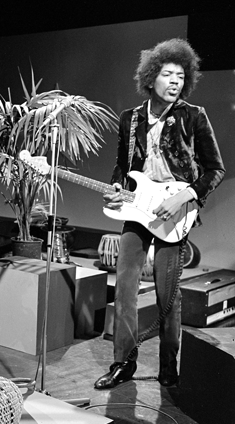
Cover songs have been a staple of music culture for decades, with artists like Jimi Hendrix, Aretha Franklin, and Johnny Cash redefining classics like 'All Along the Watchtower', 'Respect', and 'Hurt'. With a vibe score of 8, cover songs spark debates about authorship, creativity, and the role of homage in music. According to a 2020 survey, 75% of music fans believe that cover songs can be just as impactful as original tracks. The influence flow of cover songs is complex, with artists like Bob Dylan and The Beatles inspiring countless covers, while also being influenced by folk and rock traditions. As the music landscape continues to evolve, the future of cover songs remains uncertain, with some arguing that they are a vital part of musical heritage, while others see them as a lack of originality. With over 100,000 cover songs recorded in the past decade alone, the phenomenon shows no signs of slowing down. The controversy spectrum of cover songs is high, with issues like copyright, royalties, and artistic ownership being highly contested. What does the future hold for cover songs, and how will they continue to shape the music industry?
🎵 Introduction to Cover Songs
The world of music is filled with creative interpretations, and one of the most fascinating aspects is the art of cover songs. A cover song is a new performance or recording by a musician other than the original performer or composer of the song. This concept has been around for decades, with artists like Elvis Presley and The Beatles popularizing cover songs in the 1950s and 1960s. The idea of reinterpreting a song has evolved over time, with modern artists like John Legend and Adele putting their own spin on classic hits.
📝 History of Cover Versions
The history of cover versions dates back to the early days of popular music. In the 1950s, it was common for multiple artists to release their own versions of a song, often in an attempt to compete with the original. This practice, known as simultaneous release, allowed artists to capitalize on the popularity of a song and reach a wider audience. As the music industry evolved, the concept of cover songs expanded to include tribute albums and live performances. Artists like Jimi Hendrix and Eric Clapton have made careers out of reinterpreting classic songs.
🎤 Types of Cover Songs
There are several types of cover songs, each with its own unique characteristics. A straight cover is a faithful reproduction of the original song, while a rearranged cover involves significant changes to the melody, harmony, or rhythm. Some artists prefer to create mashup covers, which combine elements of multiple songs. Others opt for acoustic covers, which feature stripped-down instrumentation and a more intimate atmosphere. Artists like Bob Dylan and Bruce Springsteen have been known to create folk covers of popular songs.
🔥 The Art of Reinterpretation
The art of reinterpretation is a crucial aspect of cover songs. When an artist decides to cover a song, they must consider the original version and how they can put their own spin on it. This can involve changing the tempo, adding new instrumentation, or altering the lyrics. The goal is to create a unique and compelling version that pays homage to the original while also showcasing the artist's own style. Artists like Radiohead and Bjork are known for their innovative and often unconventional approaches to cover songs.
📊 Commercial Success of Cover Songs
Cover songs can be incredibly successful from a commercial standpoint. In some cases, a cover version can even outperform the original. For example, Jimi Hendrix's version of All Along the Watchtower is widely considered to be one of the greatest cover songs of all time, and it has been a huge commercial success. Other artists, like Whitney Houston, have had massive hits with their cover songs, such as I Will Always Love You. The success of cover songs can be measured using vibe scores, which provide a cultural energy measurement of a song's impact.
🤝 Collaboration and Tribute
Collaboration and tribute are essential aspects of cover songs. When artists come together to create a cover version, they can bring new energy and perspectives to the song. Tribute albums, which feature multiple artists covering the songs of a particular artist or band, are a great way to celebrate the music of a legendary act. For example, the Tribute to John Lennon album features covers of John Lennon's songs by artists like Elton John and Stevie Wonder.
📻 Radio and Live Performances
Radio and live performances play a significant role in the promotion and dissemination of cover songs. When an artist performs a cover song on the radio or in concert, they can introduce the song to a new audience and create a buzz around their version. Artists like Dave Grohl and Taylor Swift are known for their energetic live performances, which often feature cover songs. The use of social media has also made it easier for artists to share their cover songs and connect with fans.
📊 Vibe Scores and Cultural Impact
The cultural impact of cover songs can be significant, and vibe scores provide a way to measure this impact. A high vibe score indicates that a song has had a profound effect on the cultural landscape. For example, John Lennon's Imagine has a high vibe score due to its enduring message of peace and unity. Other artists, like Kendrick Lamar, have used cover songs to address social issues and spark important conversations. The influence of cover songs can be seen in the influence flows between artists and genres.
👥 Influence Flows and Entity Relationships
Influence flows and entity relationships are crucial in understanding the world of cover songs. When an artist covers a song, they are creating a connection between themselves and the original artist. This connection can be seen in the entity relationships between artists, genres, and songs. For example, the relationship between Bob Dylan and Jimi Hendrix is well-documented, with Hendrix often covering Dylan's songs. The influence of cover songs can also be seen in the genre evolution of music, with new genres emerging from the fusion of different styles.
🔍 Controversy and Debate
Controversy and debate surround the topic of cover songs, with some arguing that they are a form of artistic laziness. Others see cover songs as a way to pay homage to the original artists and introduce their music to a new audience. The issue of copyright infringement is also a concern, with some artists facing legal action for their cover songs. Despite these challenges, cover songs remain a beloved and integral part of the music industry. The controversy spectrum surrounding cover songs is complex, with different perspectives on the issue.
🎉 Conclusion and Future of Cover Songs
In conclusion, cover songs are a vibrant and dynamic aspect of the music industry. From their origins in the 1950s to the present day, cover songs have played a significant role in shaping the sound of popular music. As the music industry continues to evolve, it will be exciting to see how cover songs adapt and change. With the rise of social media and streaming platforms, artists have more opportunities than ever to share their cover songs and connect with fans. The future of cover songs is bright, and it will be fascinating to see what the next generation of artists has in store.
Key Facts
- Year
- 1950
- Origin
- United States
- Category
- Music
- Type
- Music Concept
Frequently Asked Questions
What is a cover song?
A cover song is a new performance or recording by a musician other than the original performer or composer of the song. This can include a faithful reproduction of the original song or a reinterpretation with significant changes to the melody, harmony, or rhythm.
Why do artists create cover songs?
Artists create cover songs for a variety of reasons, including to pay homage to the original artist, to introduce the song to a new audience, or to put their own unique spin on the song. Cover songs can also be a way for artists to connect with their fans and create a sense of community.
What is the difference between a cover song and a remix?
A cover song is a new performance or recording of a song, while a remix is a reworking of an existing recording. A remix typically involves significant changes to the original recording, such as adding new instrumentation or altering the tempo.
Can cover songs be successful commercially?
Yes, cover songs can be incredibly successful from a commercial standpoint. In some cases, a cover version can even outperform the original. The success of cover songs can be measured using vibe scores, which provide a cultural energy measurement of a song's impact.
What is the controversy surrounding cover songs?
The controversy surrounding cover songs includes concerns about artistic laziness, copyright infringement, and the potential for cover songs to overshadow the original versions. However, many artists and fans see cover songs as a way to pay homage to the original artists and introduce their music to a new audience.
How have cover songs evolved over time?
Cover songs have evolved significantly over time, from their origins in the 1950s to the present day. The rise of social media and streaming platforms has made it easier for artists to share their cover songs and connect with fans. The use of vibe scores and influence flows has also provided new ways to measure the impact and influence of cover songs.
What is the future of cover songs?
The future of cover songs is bright, with new technologies and platforms emerging all the time. As the music industry continues to evolve, it will be exciting to see how cover songs adapt and change. With the rise of social media and streaming platforms, artists have more opportunities than ever to share their cover songs and connect with fans.