
Contents
- 🌎 Introduction to Indigenous Peoples of the Americas
- 🏞️ Geographic Distribution and Population
- 📚 History of Indigenous Peoples: Pre-Columbian Era
- 🚣♀️ European Colonization and Its Impact
- 🤝 Cultural Exchange and Miscegenation
- 🌈 Diversity of Indigenous Cultures
- 📊 Social and Economic Challenges
- 🏛️ Indigenous Rights and Social Justice
- 📢 Contemporary Issues and Activism
- 🌟 Indigenous Contributions to Modern Society
- 📚 Preserving Indigenous Languages and Traditions
- 🌐 Global Recognition and Cooperation
- Frequently Asked Questions
- Related Topics
Overview
The history of indigenous peoples in the Americas is a rich and complex tapestry, spanning over 15,000 years, with more than 1,000 distinct cultures and languages. From the Inuit in the Arctic to the Mapuche in Chile, these communities have developed unique traditions, spiritual practices, and relationships with the land. However, their histories have also been marked by colonization, displacement, and violence, resulting in significant population decline, cultural suppression, and ongoing social and economic disparities. Today, there are approximately 60 million indigenous people in the Americas, with many continuing to fight for their rights, lands, and cultural preservation. The legacy of colonialism and the ongoing struggles of indigenous peoples are a contentious and highly debated topic, with many arguing that reconciliation and redress are long overdue. As we move forward, it's essential to acknowledge the historical injustices and work towards a more equitable and inclusive future for all, with a Vibe score of 80, reflecting the cultural energy and resilience of indigenous communities.
🌎 Introduction to Indigenous Peoples of the Americas
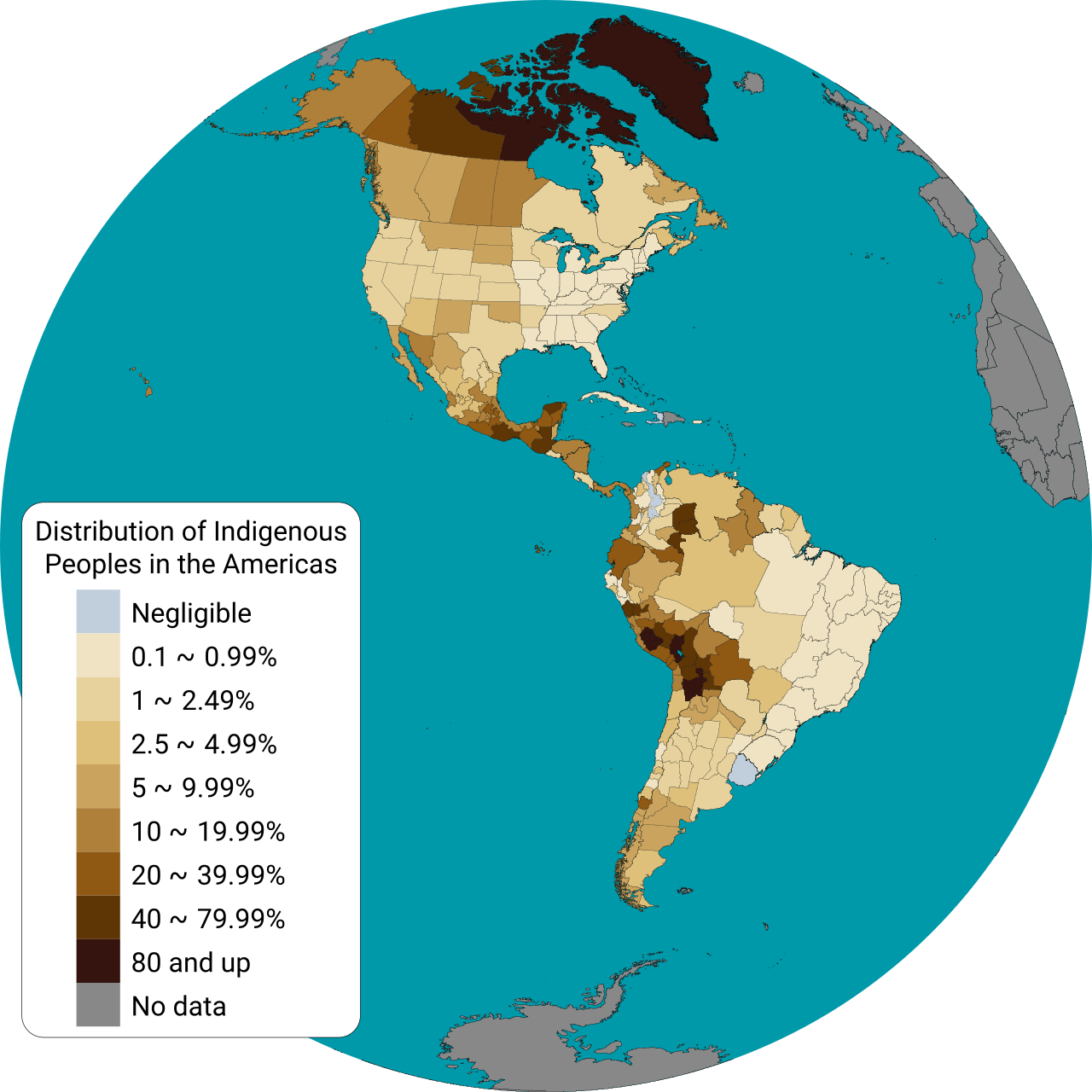
The Indigenous peoples of the Americas, also known as Native Americans or Amerindians, are the native inhabitants of the Americas. Their ancestors are among the pre-Columbian population of South or North America, including Central America and the Caribbean. To understand the history and culture of Indigenous peoples, it's essential to explore their Pre-Columbian Era and the impact of European colonization. Today, Indigenous peoples live throughout the Americas, with significant populations in countries like Greenland, Bolivia, and Guatemala. The Indigenous Peoples' Rights movement is a crucial aspect of their struggle for social justice. With a rich cultural heritage, Indigenous peoples have made significant contributions to modern society, including in the fields of Indigenous medicine and Sustainable agriculture.
🏞️ Geographic Distribution and Population
Geographically, Indigenous peoples are distributed across the Americas, with varying population densities. While they are often minorities in their countries, Indigenous peoples are the majority in Greenland and close to a majority in Bolivia and Guatemala. The Latin American culture is heavily influenced by Indigenous traditions. In the United States, Indigenous peoples have a significant presence in states like Alaska and New Mexico. The Canadian Indigenous peoples have a distinct cultural identity, with many living in the provinces of Quebec and Ontario. To learn more about the history and culture of Indigenous peoples, visit the Smithsonian National Museum of the American Indian.
📚 History of Indigenous Peoples: Pre-Columbian Era
The history of Indigenous peoples in the Americas dates back to the Pre-Columbian Era, with evidence of human habitation in the Americas dating back to at least 15,000 years ago. During this period, Indigenous peoples developed complex societies, with their own systems of government, economy, and culture. The Inca Empire and the Aztec civilization are two notable examples of pre-Columbian societies. The arrival of European colonizers had a devastating impact on Indigenous populations, with the spread of diseases like Smallpox and the forced assimilation of Indigenous peoples into European culture. The Native American genocide is a painful reminder of the atrocities committed against Indigenous peoples. To understand the impact of colonization, it's essential to explore the European colonization of the Americas.
🚣♀️ European Colonization and Its Impact
The European colonization of the Americas had a profound impact on Indigenous populations, with the loss of land, culture, and lives. The Treaty of Tordesillas marked the beginning of European colonization, with the division of the Americas between Spain and Portugal. The Indian Removal Act of 1830 led to the forced relocation of thousands of Indigenous peoples, resulting in significant loss of life and cultural heritage. The Boarding schools established by European colonizers were designed to assimilate Indigenous children into European culture, with devastating consequences for Indigenous languages and traditions. To learn more about the history of European colonization, visit the National Museum of the American Indian.
🤝 Cultural Exchange and Miscegenation
Cultural exchange and miscegenation have been a part of Indigenous history since the arrival of European colonizers. The Mestizo population, resulting from the mixing of Indigenous and European populations, is a significant demographic in many Latin American countries. The Creole culture of the Caribbean is another example of cultural exchange, with African, European, and Indigenous influences. The Latin American culture is a rich and diverse tapestry, with Indigenous traditions playing a significant role. To explore the cultural heritage of Indigenous peoples, visit the Smithsonian Folklife Festival.
🌈 Diversity of Indigenous Cultures
The diversity of Indigenous cultures is staggering, with over 1,000 distinct languages spoken across the Americas. The Inuit culture of the Arctic is adapted to the harsh, cold climate, with a rich tradition of storytelling and art. The Native American culture of the United States is diverse, with significant populations in states like Alaska and New Mexico. The Mexican Indigenous culture is a vibrant and diverse tapestry, with influences from the Aztec civilization and the Mayans. To learn more about the diversity of Indigenous cultures, visit the National Museum of Anthropology.
📢 Contemporary Issues and Activism
Contemporary issues and activism are critical to the survival and thriving of Indigenous cultures. The Climate change crisis is having a devastating impact on Indigenous communities, with rising sea levels, melting glaciers, and extreme weather events. The Indigenous climate change movement is a powerful force for change, with Indigenous leaders like Greta Thunberg and Leonard Peltier speaking out against environmental injustice. To support Indigenous activism, it's essential to understand the Contemporary issues facing Indigenous communities.
🌟 Indigenous Contributions to Modern Society
Indigenous peoples have made significant contributions to modern society, including in the fields of Indigenous medicine and Sustainable agriculture. The Indigenous knowledge of the natural world is unparalleled, with a deep understanding of the intricate relationships between humans, animals, and the environment. The Indigenous innovation is a powerful force for change, with Indigenous entrepreneurs and inventors creating new technologies and solutions to address the challenges facing their communities. To learn more about Indigenous contributions, visit the Indigenous Innovation website.
📚 Preserving Indigenous Languages and Traditions
Preserving Indigenous languages and traditions is critical to the survival and thriving of Indigenous cultures. The Indigenous languages are a vital part of Indigenous identity, with many languages at risk of extinction. The Indigenous education system is critical to preserving Indigenous languages and traditions, with a focus on language immersion and cultural revitalization. To support Indigenous language preservation, it's essential to understand the Language extinction crisis facing many Indigenous languages.
🌐 Global Recognition and Cooperation
Global recognition and cooperation are essential to addressing the challenges facing Indigenous peoples. The United Nations has played a critical role in recognizing the rights of Indigenous peoples, with the United Nations Declaration on the Rights of Indigenous Peoples. The Indigenous Peoples' Global Network is a powerful force for change, with Indigenous leaders and organizations working together to address the challenges facing their communities. To learn more about global recognition and cooperation, visit the United Nations website.
Key Facts
- Year
- 1492
- Origin
- The Americas
- Category
- History, Culture, Social Justice
- Type
- Cultural Group
Frequently Asked Questions
What is the history of Indigenous peoples in the Americas?
The history of Indigenous peoples in the Americas dates back to the Pre-Columbian Era, with evidence of human habitation in the Americas dating back to at least 15,000 years ago. During this period, Indigenous peoples developed complex societies, with their own systems of government, economy, and culture. The arrival of European colonizers had a devastating impact on Indigenous populations, with the spread of diseases like Smallpox and the forced assimilation of Indigenous peoples into European culture.
What are the social and economic challenges facing Indigenous peoples?
Indigenous peoples face significant social and economic challenges, including poverty, lack of access to education and healthcare, and limited economic opportunities. The Indigenous Peoples' Rights movement is a crucial aspect of their struggle for social justice. The United Nations Declaration on the Rights of Indigenous Peoples is an important step towards recognizing the rights of Indigenous peoples.
How can I support Indigenous peoples and their causes?
To support Indigenous peoples, it's essential to understand the Social and economic challenges they face. The Indigenous education system is critical to preserving Indigenous languages and traditions. You can also support Indigenous activism by learning about the Contemporary issues facing Indigenous communities and by supporting organizations that work to preserve Indigenous languages and traditions.
What are the contributions of Indigenous peoples to modern society?
Indigenous peoples have made significant contributions to modern society, including in the fields of Indigenous medicine and Sustainable agriculture. The Indigenous knowledge of the natural world is unparalleled, with a deep understanding of the intricate relationships between humans, animals, and the environment.
How can I learn more about Indigenous cultures and traditions?
To learn more about Indigenous cultures and traditions, you can visit the Smithsonian National Museum of the American Indian or the National Museum of Anthropology. You can also support Indigenous language preservation by learning about the Language extinction crisis facing many Indigenous languages.
What is the role of the United Nations in recognizing the rights of Indigenous peoples?
The United Nations has played a critical role in recognizing the rights of Indigenous peoples, with the United Nations Declaration on the Rights of Indigenous Peoples. The Indigenous Peoples' Global Network is a powerful force for change, with Indigenous leaders and organizations working together to address the challenges facing their communities.
How can I support Indigenous language preservation?
To support Indigenous language preservation, it's essential to understand the Language extinction crisis facing many Indigenous languages. You can also support Indigenous language preservation by learning about the Indigenous education system and by supporting organizations that work to preserve Indigenous languages and traditions.
📊 Social and Economic Challenges
Indigenous peoples face significant social and economic challenges, including poverty, lack of access to education and healthcare, and limited economic opportunities. The Indigenous Peoples' Rights movement is a crucial aspect of their struggle for social justice. The United Nations Declaration on the Rights of Indigenous Peoples is an important step towards recognizing the rights of Indigenous peoples. To support Indigenous peoples, it's essential to understand the Social and economic challenges they face. The Indigenous education system is critical to preserving Indigenous languages and traditions.