
Contents
- 🎵 Introduction to Music Production
- 📈 The Role of a Record Producer
- 🎧 The Evolution of Recording Technology
- 👥 The Production Team
- 📊 The Business Side of Music Production
- 🎤 The Artist-Producer Relationship
- 📈 The Impact of Digital Audio Workstations
- 🔊 The Future of Music Production
- 📊 The Economics of Music Production
- 🎵 The Cultural Significance of Music Production
- 👀 The Intersection of Music and Technology
- Frequently Asked Questions
- Related Topics
Overview
Music production has undergone a significant transformation over the years, from the early days of analog recording to the current digital era. The introduction of digital audio workstations (DAWs) such as Ableton Live and Logic Pro has democratized music production, allowing artists to create high-quality music without the need for expensive studios. According to a report by the International Music Managers Forum, the global music production market was valued at $1.4 billion in 2020, with a projected growth rate of 10% per annum. The rise of electronic dance music (EDM) and hip-hop has also led to an increased demand for music producers, with top producers like Max Martin and Rick Rubin commanding high fees for their services. However, the ease of music production has also led to a saturation of the market, making it challenging for new artists to stand out. As music production continues to evolve, with the integration of artificial intelligence and virtual reality, it will be interesting to see how the industry adapts and changes, with 75% of music producers already using AI-powered tools in their workflow, as reported by a survey by Music Production Magazine.
🎵 Introduction to Music Production
The evolution of music production has been a long and winding road, filled with innovations and advancements in technology. From the early days of music recording to the current digital age, the role of a record producer has remained a crucial part of the music-making process. A record producer is responsible for overseeing the entire production process, from recording sessions to the final mixing and mastering of the track. They work closely with audio engineers and other members of the production team to ensure that the final product meets the desired quality and sound.
📈 The Role of a Record Producer
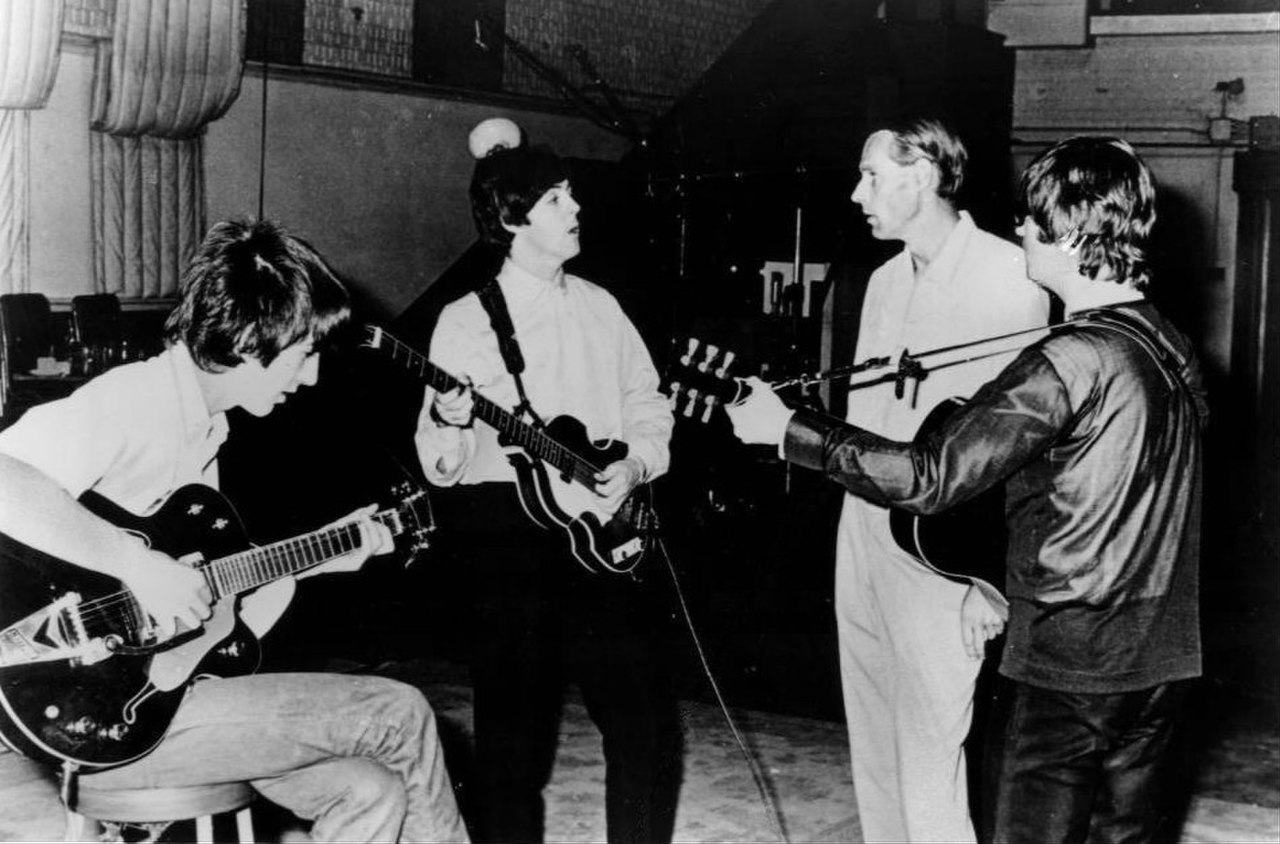
The role of a record producer can vary greatly depending on the genre of music and the specific project. In popular music, the producer may be heavily involved in the creative process, working closely with the artist to develop the sound and structure of the track. In classical music, the producer may take on more of a liaison role, working between the conductor and the engineering team to ensure a high-quality recording. The producer's involvement can range from hands-on oversight of recording sessions to supervising the technical engineering of the recording.
🎧 The Evolution of Recording Technology
The evolution of recording technology has had a significant impact on the music production process. From the early days of analog recording to the current digital age, advancements in technology have made it possible to produce high-quality recordings with greater ease and efficiency. The development of digital audio workstations has revolutionized the music production process, allowing producers to work on projects from anywhere in the world and collaborate with others in real-time. This has opened up new opportunities for music collaboration and has changed the way that music is produced and consumed.
👥 The Production Team
The production team is a crucial part of the music production process, and can include a range of professionals such as audio engineers, music arrangers, and lyricists. The producer works closely with these team members to ensure that the final product meets the desired quality and sound. The production team may also include other professionals such as studio managers and recording studio assistants, who play important roles in the day-to-day operations of the recording studio.
📊 The Business Side of Music Production
The business side of music production is also an important aspect of the industry. Record labels and other industry professionals play a crucial role in the production and distribution of music. The producer may work closely with these professionals to ensure that the final product is commercially viable and meets the needs of the target audience. This can involve making decisions about music marketing and music distribution, as well as negotiating contracts and music royalties.
🎤 The Artist-Producer Relationship
The relationship between the artist and the producer is a crucial part of the music production process. The producer works closely with the artist to develop the sound and structure of the track, and to ensure that the final product meets the artist's vision. This can involve making decisions about music arrangement, lyric writing, and music performance. The producer may also provide guidance and support to the artist, helping them to develop their skills and achieve their goals.
📈 The Impact of Digital Audio Workstations
The impact of digital audio workstations on the music production process has been significant. These software programs have made it possible to produce high-quality recordings with greater ease and efficiency, and have opened up new opportunities for music collaboration and production. Ableton Live and Logic Pro are two popular digital audio workstations that are widely used in the music industry. These programs allow producers to work on projects from anywhere in the world, and to collaborate with others in real-time.
🔊 The Future of Music Production
The future of music production is likely to be shaped by advancements in technology and changes in the way that music is consumed. The rise of music streaming and social media has changed the way that music is discovered and shared, and has created new opportunities for artists and producers to reach their target audience. The development of new technologies such as artificial intelligence and virtual reality is also likely to have an impact on the music production process, and may create new opportunities for innovation and creativity.
📊 The Economics of Music Production
The economics of music production are also an important aspect of the industry. The cost of producing a high-quality recording can be significant, and may involve investing in recording equipment, studio rental, and talent fees. The producer may need to negotiate contracts and music royalties with the artist and other stakeholders, and may need to make decisions about music marketing and music distribution.
🎵 The Cultural Significance of Music Production
The cultural significance of music production is also an important aspect of the industry. Music has the power to bring people together and to create a sense of community and shared experience. The producer plays a crucial role in shaping the sound and structure of the music, and in helping to create a sense of emotional connection with the listener. The cultural significance of music production can be seen in the way that music is used in film scores, television themes, and advertising jingles.
👀 The Intersection of Music and Technology
The intersection of music and technology is a rapidly evolving field, and is likely to continue to shape the music production process in the future. The development of new technologies such as artificial intelligence and virtual reality is likely to create new opportunities for innovation and creativity, and may change the way that music is produced and consumed. The producer will need to stay up-to-date with the latest developments in technology, and will need to be able to adapt to changing trends and consumer behaviors.
Key Facts
- Year
- 2020
- Origin
- United States
- Category
- Music Technology
- Type
- Creative Field
Frequently Asked Questions
What is the role of a record producer in music production?
The role of a record producer is to oversee the entire production process, from recording sessions to the final mixing and mastering of the track. They work closely with audio engineers and other members of the production team to ensure that the final product meets the desired quality and sound. The producer's involvement can range from hands-on oversight of recording sessions to supervising the technical engineering of the recording.
How has the evolution of recording technology impacted the music production process?
The evolution of recording technology has had a significant impact on the music production process. From the early days of analog recording to the current digital age, advancements in technology have made it possible to produce high-quality recordings with greater ease and efficiency. The development of digital audio workstations has revolutionized the music production process, allowing producers to work on projects from anywhere in the world and collaborate with others in real-time.
What is the relationship between the artist and the producer in music production?
The relationship between the artist and the producer is a crucial part of the music production process. The producer works closely with the artist to develop the sound and structure of the track, and to ensure that the final product meets the artist's vision. This can involve making decisions about music arrangement, lyric writing, and music performance. The producer may also provide guidance and support to the artist, helping them to develop their skills and achieve their goals.
How has the rise of music streaming and social media impacted the music industry?
The rise of music streaming and social media has changed the way that music is discovered and shared, and has created new opportunities for artists and producers to reach their target audience. Music streaming platforms such as Spotify and Apple Music have made it possible for artists to reach a global audience, and have created new revenue streams for the music industry. Social media platforms such as Instagram and Facebook have also created new opportunities for artists to promote their music and connect with their fans.
What is the cultural significance of music production?
The cultural significance of music production is an important aspect of the industry. Music has the power to bring people together and to create a sense of community and shared experience. The producer plays a crucial role in shaping the sound and structure of the music, and in helping to create a sense of emotional connection with the listener. The cultural significance of music production can be seen in the way that music is used in film scores, television themes, and advertising jingles.
How is the intersection of music and technology likely to evolve in the future?
The intersection of music and technology is a rapidly evolving field, and is likely to continue to shape the music production process in the future. The development of new technologies such as artificial intelligence and virtual reality is likely to create new opportunities for innovation and creativity, and may change the way that music is produced and consumed. The producer will need to stay up-to-date with the latest developments in technology, and will need to be able to adapt to changing trends and consumer behaviors.
What is the role of the production team in music production?
The production team is a crucial part of the music production process, and can include a range of professionals such as audio engineers, music arrangers, and lyricists. The producer works closely with these team members to ensure that the final product meets the desired quality and sound. The production team may also include other professionals such as studio managers and recording studio assistants, who play important roles in the day-to-day operations of the recording studio.