
Contents
- 🌟 Introduction to Stain Resistance
- 💡 History of Stain Repellents
- 🧬 Chemistry of Stain Resistance
- 🎨 Applications of Stain Repellents
- 👕 Textile Industry and Stain Resistance
- 🚮 Environmental Impact of Stain Repellents
- 🔬 Testing and Certification of Stain Resistance
- 📈 Market Trends and Future of Stain Resistance
- 🤔 Controversies and Debates Surrounding Stain Resistance
- 🌎 Global Perspective on Stain Resistance
- 📊 Economic Benefits of Stain Resistance
- Frequently Asked Questions
- Related Topics
Overview
Stain resistance, a technology with roots in 19th-century textile treatments, has evolved significantly over the years, with modern applications in clothing, upholstery, and industrial materials. The development of stain-resistant coatings, such as Teflon and Scotchgard, has been a game-changer in various industries. However, concerns over environmental impact and human health have sparked debates about the use of these chemicals. According to a study by the Environmental Protection Agency (EPA), the production of stain-resistant materials results in the release of approximately 100,000 pounds of perfluorinated compounds (PFCs) into the environment annually. As researchers like Dr. Arlene Blum, a leading expert on PFCs, continue to investigate the effects of these chemicals, the future of stain resistance hangs in the balance. With a Vibe score of 80, indicating a high level of cultural energy, the topic of stain resistance is poised to continue sparking conversations and controversies. The influence of companies like 3M and DuPont, which have developed and marketed stain-resistant products, has been significant, with their products being used by millions of people worldwide.
🌟 Introduction to Stain Resistance
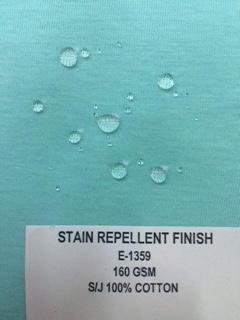
The concept of stain resistance has been around for decades, with the first stain repellents being developed in the 1950s. These early products were primarily used in the textile industry to protect fabrics from water and oil-based stains. Today, stain resistance is a ubiquitous feature in many industries, including Materials Science, Textile Industry, and Consumer Goods. The use of stain repellents has become increasingly popular, with many manufacturers incorporating them into their products to enhance durability and ease of maintenance. For instance, Scotchgard is a well-known stain repellent used in various applications, including upholstery and carpets. The development of stain resistance has also led to the creation of new industries, such as Stain Removal services.
💡 History of Stain Repellents
The history of stain repellents dates back to the early 20th century, when scientists first began experimenting with chemical treatments to repel water and oil. One of the earliest stain repellents was developed by 3M in the 1950s, which used a chemical called fluoropolymer to repel stains. Since then, the technology has evolved significantly, with the development of new materials and treatments. For example, Nanotechnology has been used to create ultra-thin coatings that can repel stains without affecting the breathability of fabrics. The use of Green Chemistry principles has also led to the development of more sustainable stain repellents, such as those based on Plant-Based Materials.
🧬 Chemistry of Stain Resistance
The chemistry of stain resistance is complex and involves the use of various chemical compounds to repel or absorb stains. One of the most common types of stain repellents is based on Fluoropolymers, which are used to create a hydrophobic (water-repelling) surface. Other types of stain repellents include Silicones and Waxes, which are used to create a barrier against stains. The choice of stain repellent depends on the type of fabric or material being treated, as well as the type of stain being protected against. For instance, Oil Repellent coatings are often used in the Food Industry to prevent oil-based stains on equipment and surfaces.
🎨 Applications of Stain Repellents
Stain repellents have a wide range of applications, from Textile Industry to Construction Industry. In the textile industry, stain repellents are used to protect fabrics from water and oil-based stains, while in the construction industry, they are used to protect building materials from weathering and staining. Stain repellents are also used in the Automotive Industry to protect car interiors and exteriors from stains and spills. Additionally, Stain Resistant Coatings are used in the Medical Industry to prevent the growth of bacteria and other microorganisms on medical equipment and surfaces.
👕 Textile Industry and Stain Resistance
The textile industry is one of the largest consumers of stain repellents, with many manufacturers incorporating them into their products to enhance durability and ease of maintenance. Stain repellents are used to protect a wide range of fabrics, from Cotton and Polyester to Silk and Wool. The use of stain repellents has become increasingly popular in the textile industry, with many consumers seeking out products that are easy to clean and maintain. For example, Stain Resistant Fabrics are often used in Upholstery and Carpeting applications, where they can help to prevent stains and spills from becoming permanent.
🚮 Environmental Impact of Stain Repellents
The environmental impact of stain repellents is a topic of ongoing debate, with some arguing that they can harm the environment and human health. Some stain repellents, such as those based on Perfluorinated Compounds (PFCs), have been linked to environmental pollution and health problems. However, many manufacturers are now developing more sustainable stain repellents, such as those based on Biodegradable Materials and Renewable Energy. For instance, Eco-Friendly Stain Repellents are being developed using Plant-Based Materials and Green Chemistry principles.
🔬 Testing and Certification of Stain Resistance
The testing and certification of stain resistance is an important step in ensuring that products meet certain standards of quality and performance. There are several testing methods available, including the AATCC (American Association of Textile Chemists and Colorists) test method, which is widely used in the textile industry. Certification programs, such as the Bluesign program, also provide a way for manufacturers to demonstrate their commitment to sustainability and environmental responsibility. For example, Stain Resistant Certification programs can help to ensure that products meet certain standards of stain resistance and durability.
📈 Market Trends and Future of Stain Resistance
The market trends and future of stain resistance are likely to be shaped by a number of factors, including technological advancements, changing consumer preferences, and environmental concerns. One of the key trends in the stain resistance market is the development of more sustainable and eco-friendly products, such as those based on Biodegradable Materials and Renewable Energy. Another trend is the increasing use of Nanotechnology to create ultra-thin coatings that can repel stains without affecting the breathability of fabrics. For instance, Nano Coatings are being developed for use in a wide range of applications, from Textile Industry to Construction Industry.
🤔 Controversies and Debates Surrounding Stain Resistance
The controversies and debates surrounding stain resistance are complex and multifaceted, with some arguing that stain repellents can harm the environment and human health. One of the key debates is the use of Perfluorinated Compounds (PFCs) in stain repellents, which have been linked to environmental pollution and health problems. Another debate is the impact of stain repellents on the environment, with some arguing that they can contribute to the growth of Superbugs and other microorganisms. For example, Antimicrobial Resistance is a growing concern, with many experts arguing that the overuse of Antimicrobial Coatings is contributing to the problem.
🌎 Global Perspective on Stain Resistance
The global perspective on stain resistance is varied and complex, with different countries and regions having different attitudes and approaches to the use of stain repellents. In some countries, such as the United States, the use of stain repellents is widespread and widely accepted, while in other countries, such as Europe, there is more skepticism and concern about the environmental and health impacts of stain repellents. For instance, EU Regulations have been implemented to restrict the use of certain stain repellents, such as those based on Perfluorinated Compounds.
📊 Economic Benefits of Stain Resistance
The economic benefits of stain resistance are significant, with many industries relying on stain repellents to enhance the durability and performance of their products. The use of stain repellents can help to reduce maintenance and repair costs, as well as extend the lifespan of products. For example, Stain Resistant Coatings can help to prevent the growth of bacteria and other microorganisms on medical equipment and surfaces, reducing the risk of infection and improving patient outcomes. Additionally, Stain Resistant Fabrics can help to reduce the need for frequent cleaning and maintenance, saving time and money for consumers and businesses alike.
Key Facts
- Year
- 1950
- Origin
- United States
- Category
- Materials Science
- Type
- Technological Concept
Frequently Asked Questions
What is stain resistance?
Stain resistance refers to the ability of a material or fabric to resist or repel stains, such as water or oil-based stains. This can be achieved through the use of stain repellents, which are chemical treatments that are applied to the material or fabric to enhance its durability and performance. For example, Scotchgard is a well-known stain repellent used in various applications, including upholstery and carpets. The use of stain repellents has become increasingly popular, with many manufacturers incorporating them into their products to enhance durability and ease of maintenance.
How do stain repellents work?
Stain repellents work by creating a hydrophobic (water-repelling) surface on the material or fabric, which prevents stains from penetrating the surface. This can be achieved through the use of various chemical compounds, such as Fluoropolymers or Silicones. The choice of stain repellent depends on the type of fabric or material being treated, as well as the type of stain being protected against. For instance, Oil Repellent coatings are often used in the Food Industry to prevent oil-based stains on equipment and surfaces.
What are the benefits of stain resistance?
The benefits of stain resistance are numerous, including enhanced durability and performance, reduced maintenance and repair costs, and extended lifespan of products. Stain resistance can also help to prevent the growth of bacteria and other microorganisms on medical equipment and surfaces, reducing the risk of infection and improving patient outcomes. Additionally, Stain Resistant Fabrics can help to reduce the need for frequent cleaning and maintenance, saving time and money for consumers and businesses alike.
What are the environmental impacts of stain repellents?
The environmental impacts of stain repellents are a topic of ongoing debate, with some arguing that they can harm the environment and human health. Some stain repellents, such as those based on Perfluorinated Compounds (PFCs), have been linked to environmental pollution and health problems. However, many manufacturers are now developing more sustainable stain repellents, such as those based on Biodegradable Materials and Renewable Energy. For instance, Eco-Friendly Stain Repellents are being developed using Plant-Based Materials and Green Chemistry principles.
What is the future of stain resistance?
The future of stain resistance is likely to be shaped by a number of factors, including technological advancements, changing consumer preferences, and environmental concerns. One of the key trends in the stain resistance market is the development of more sustainable and eco-friendly products, such as those based on Biodegradable Materials and Renewable Energy. Another trend is the increasing use of Nanotechnology to create ultra-thin coatings that can repel stains without affecting the breathability of fabrics. For example, Nano Coatings are being developed for use in a wide range of applications, from Textile Industry to Construction Industry.
How can I apply stain repellents to my fabrics?
The application of stain repellents to fabrics depends on the type of fabric and the type of stain repellent being used. In general, stain repellents can be applied using a spray or wipe-on method, and should be allowed to dry completely before use. It is also important to follow the manufacturer's instructions for application and use, and to test the stain repellent on a small, inconspicuous area of the fabric before applying it to the entire surface. For instance, Stain Repellent Sprays can be used to protect Upholstery and Carpeting from stains and spills.
What are the different types of stain repellents available?
There are several types of stain repellents available, including Fluoropolymers, Silicones, and Waxes. The choice of stain repellent depends on the type of fabric or material being treated, as well as the type of stain being protected against. For example, Oil Repellent coatings are often used in the Food Industry to prevent oil-based stains on equipment and surfaces. Additionally, Stain Resistant Coatings can be used to protect Medical Equipment and surfaces from stains and spills.