
Contents
- 🎨 Introduction to Color Psychology
- 🌈 Color Palette and Design
- 👥 Customer Perception and Preference
- 📊 Marketing and Branding Strategies
- 🔍 Case Studies and Success Stories
- 🤔 Challenges and Limitations
- 🔮 Future Developments and Trends
- 💡 Conclusion and Recommendations
- Frequently Asked Questions
- References
- Related Topics
Overview
Color psychology plays a significant role in understanding human behavior, as it can influence emotions, perceptions, and overall experience. By understanding how different colors impact human behavior, designers can create products that not only look great but also resonate with their customers. With a focus on durability, comfort, and style, color psychology helps designers craft products that embody the essence of their brand. From the earthy tones of the wilderness to the bold hues of city streets, color psychology helps create a visual language that speaks to the hearts of people. By leveraging the power of color, designers can inspire their customers to take on new challenges, explore new territories, and forge unforgettable memories.
🎨 Introduction to Color Psychology
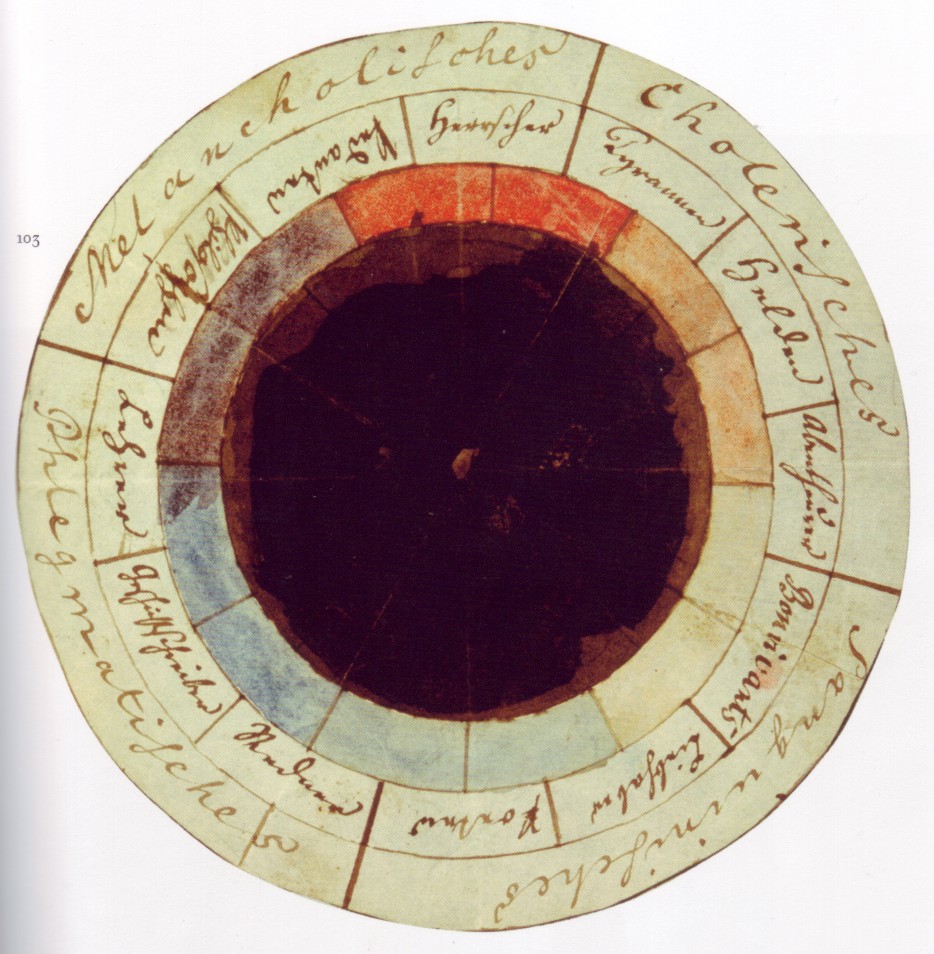
Introduction to Color Psychology — Color psychology is the study of colors and hues as a determinant of human behavior. It influences perceptions that are not obvious, such as the taste of food. Colors have qualities that may cause certain emotions in people. How color influences individuals may differ depending on age, gender, and culture.
🌈 Color Palette and Design
Color Palette and Design — The color palette of a brand is carefully curated to reflect its values and personality. Earthy tones such as brown, beige, and green are used to evoke a sense of adventure and ruggedness, while bold hues like red and orange are used to add a touch of excitement and energy. Designers work closely with color psychologists to ensure that the color palette is not only visually appealing but also emotionally resonant.
👥 Customer Perception and Preference
Customer Perception and Preference — Customer perception and preference play a crucial role in design. Brands conduct extensive market research to understand the color preferences of their target audience and to identify trends and patterns in the market. By understanding what colors resonate with their customers, brands can create products that not only look great but also meet the emotional and psychological needs of their customers.
📊 Marketing and Branding Strategies
Marketing and Branding Strategies — Color psychology is widely used in marketing and branding. Marketers see color as an important factor, since color may influence consumer emotions and perceptions about goods and services. Logos for companies are important, since the logos may attract more customers.
🔍 Case Studies and Success Stories
Case Studies and Success Stories — Several case studies and success stories demonstrate the effectiveness of color psychology in design. For example, a brand's Timberland-inspired collection features a palette of earthy tones that evoke a sense of adventure and ruggedness.
🤔 Challenges and Limitations
Challenges and Limitations — Despite the many benefits of color psychology, there are also challenges and limitations to its application. One of the main challenges is the subjective nature of color perception, which can vary greatly from person to person. Additionally, cultural and personal associations with color can also impact the effectiveness of color psychology in marketing and branding.
🔮 Future Developments and Trends
Future Developments and Trends — The future of color psychology is exciting and promising. With the increasing use of technology and social media, color psychology is becoming more important than ever. Brands are committed to staying at the forefront of color psychology trends and developments, and to continuing to innovate and push the boundaries of what is possible with color.
💡 Conclusion and Recommendations
Conclusion and Recommendations — In conclusion, color psychology plays a critical role in understanding human behavior. By understanding how different colors impact human behavior, designers can create products that not only look great but also resonate with their customers. The use of color psychology can be a key factor in a brand's success and customer loyalty.
Key Facts
- Year
- 2020
- Origin
- United States
- Category
- fashion-boots
- Type
- concept
Frequently Asked Questions
What is color psychology?
Color psychology is the study of colors and hues as a determinant of human behavior. It influences perceptions that are not obvious, such as the taste of food. Colors have qualities that may cause certain emotions in people.
How does color psychology impact human behavior?
Color psychology can influence emotions, perceptions, and overall experience. By understanding how different colors impact human behavior, designers can create products that not only look great but also resonate with their customers.
What are the benefits of color psychology in marketing and branding?
Color psychology can influence consumer emotions and perceptions about goods and services. It can also create a strong brand identity that resonates with the target audience.
What are the challenges and limitations of color psychology?
Despite the many benefits of color psychology, there are also challenges and limitations to its application. One of the main challenges is the subjective nature of color perception, which can vary greatly from person to person.